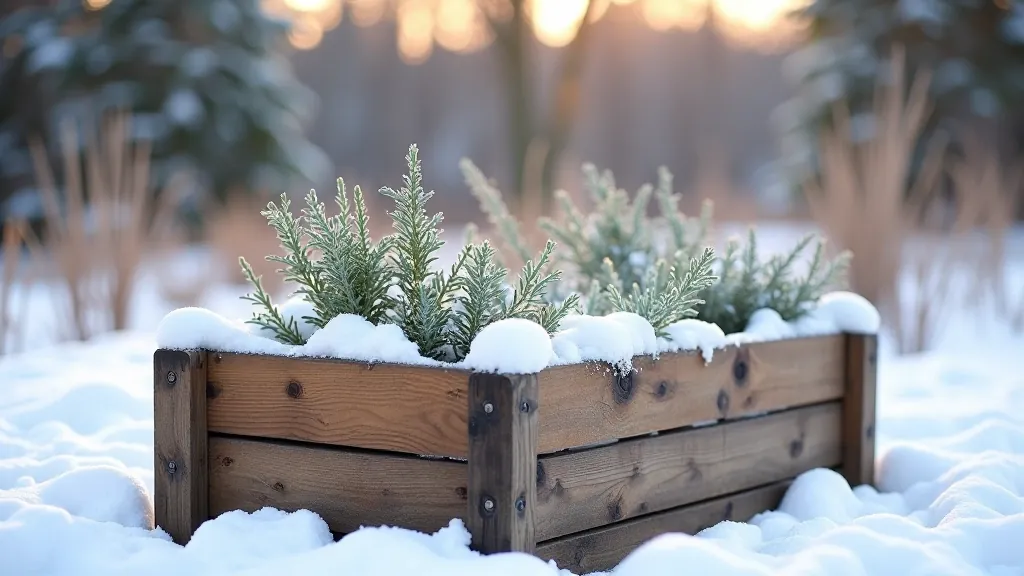

Cold-Hardy Plants That Survive Winter
Discover which vegetables and herbs thrive in Latvia's harsh winters without protection.
Step-by-step instructions for constructing a durable raised bed that handles Latvia's winter freeze-thaw cycles without warping.
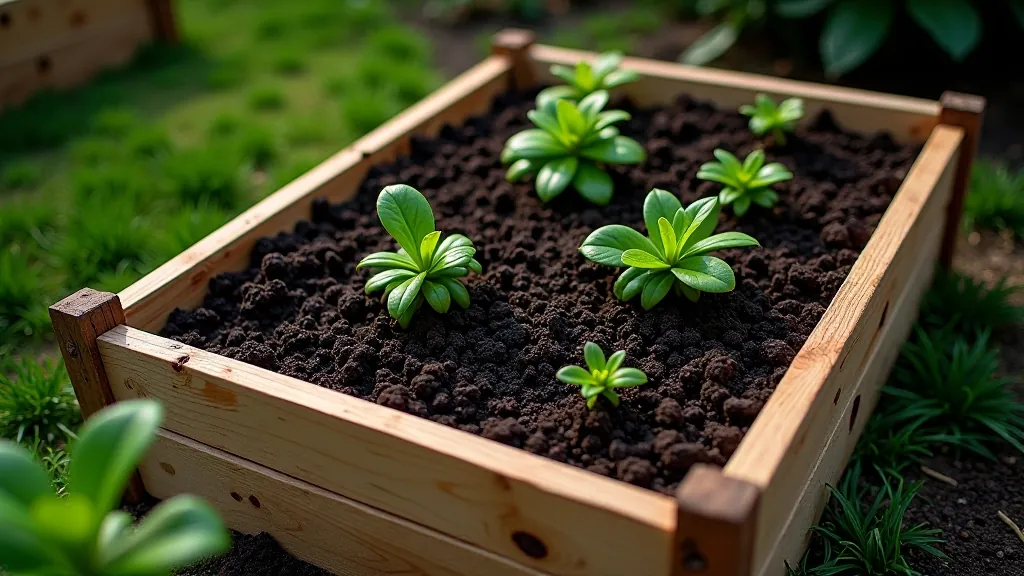
Raised beds aren't just a gardening trend — they're practical solutions for cold climates like Latvia's. They warm up faster in spring because the soil sits above the frozen ground, and they drain better than traditional beds during those wet autumns we know all too well. You'll notice your plants growing stronger and healthier when they're not sitting in waterlogged soil for weeks.
The real challenge in the Baltics isn't building a raised bed — it's building one that survives our harsh winters. Wood warps, metal rusts, and concrete cracks. But if you follow the right approach with proper materials and construction, your raised bed will last 8-10 years easily.
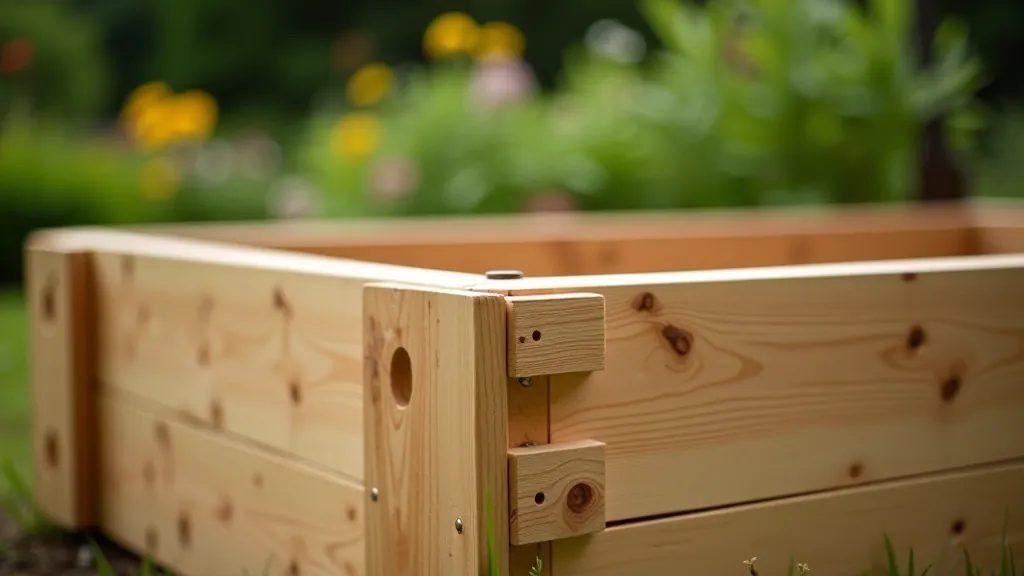
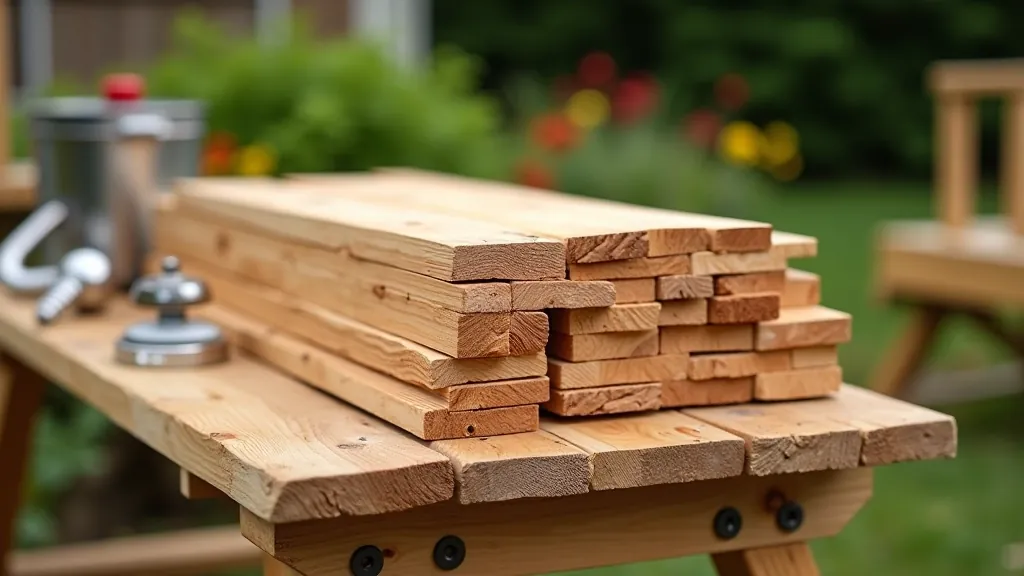
The wood you choose makes all the difference. Pressure-treated lumber is cheap and convenient, but it'll start breaking down after 5-6 years in Baltic winters. Cedar or larch is what you actually want — yes, it costs more upfront, but it'll outlast everything else.
For a standard 4x8 foot bed that's 12 inches deep, you'll need four boards (two 8-footers and two 4-footers). We recommend 2x12 lumber — thick enough to last, deep enough for most vegetables. Don't skimp on hardware either. Stainless steel bolts won't rust like regular steel bolts will after a couple of winters.
This article provides educational information about raised bed construction based on Baltic gardening practices. Results depend on your specific location, soil conditions, climate variations, and maintenance approach. For region-specific advice, consult local gardening organizations or experienced gardeners in your area. Weather patterns vary yearly — always plan for your local conditions.
Choose a spot with at least 6-8 hours of direct sunlight. Level the ground as much as you can — don't just set the frame on uneven soil. If your ground's sloped, you can dig into the higher side and build up on the lower side. This prevents water from pooling on one end during spring thaw.
Cut your cedar or larch to size. For a 4x8 foot bed, you'll have two 8-foot pieces and two 4-foot pieces. Cut the corners at 45-degree angles if you want a cleaner look, or just butt them together. Pre-drill your holes before bolting — this prevents wood splitting when you tighten down.
Use stainless steel L-brackets at each corner. Bolt them to both boards with at least two bolts per bracket. Tighten everything firmly — not so tight you crack the wood, but tight enough that there's zero movement. This frame will face serious pressure from wet soil expansion during freeze-thaw cycles.
Line the bottom with landscape fabric to prevent weeds from growing up from underneath. Secure it to the inside of the frame with staples. This saves you years of fighting perennial weeds, especially important in spring when everything's trying to grow at once.
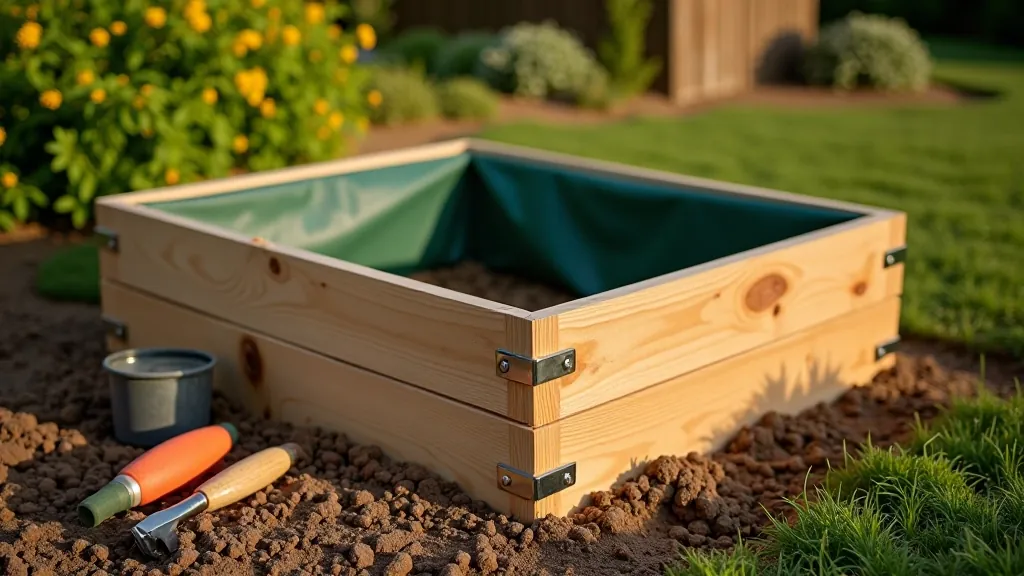

A 4x8x12 inch bed needs about 32 cubic feet of soil. Don't cheap out here — quality soil is the foundation of everything that grows. Mix in compost heavily. We're talking 30-40% compost mixed with regular garden soil or topsoil. This helps with drainage and gives your plants the nutrients they need from day one.
In Latvia's heavy clay soils, adding peat moss or coconut coir improves drainage even more. Fill your bed about 3-4 weeks before planting if possible — let the soil settle and the amendments break down a bit. Your first season, the soil will compress slightly as it settles, so fill it right to the top.
The beauty of raised beds is that you're not dealing with your native clay directly. You're creating a contained environment where everything drains properly and warms up faster in spring. That's worth every euro you spend on good soil.
This is where most people mess up. Your raised bed faces freeze-thaw stress every winter — soil expands when it freezes, contracts when it thaws. Over years, this stress cracks wood and loosens bolts. Here's what actually works:
Most cedar beds last 8-12 years with basic care. Larch is tougher and goes longer. Don't expect your first bed to be your last — gardening evolves, and you'll probably want to rebuild or expand eventually anyway.