
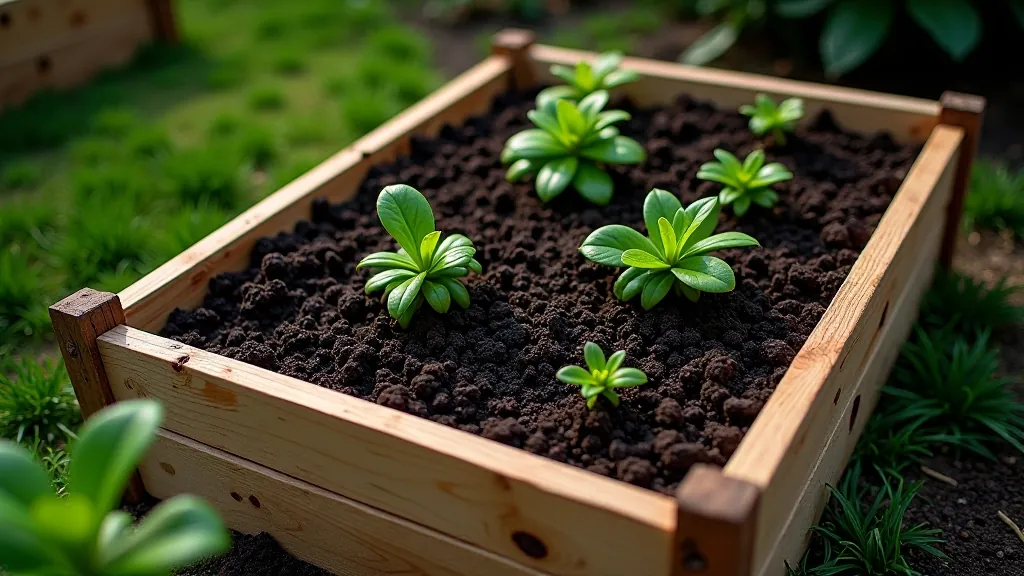
Building Your First Raised Bed
Step-by-step instructions for constructing a durable raised bed that handles Latvia's freeze-thaw cycles and provides perfect growing conditions.
Transform your apartment balcony into a thriving green oasis. Learn proven techniques for growing vegetables, herbs, and flowers in containers, even in Latvia's cool climate.
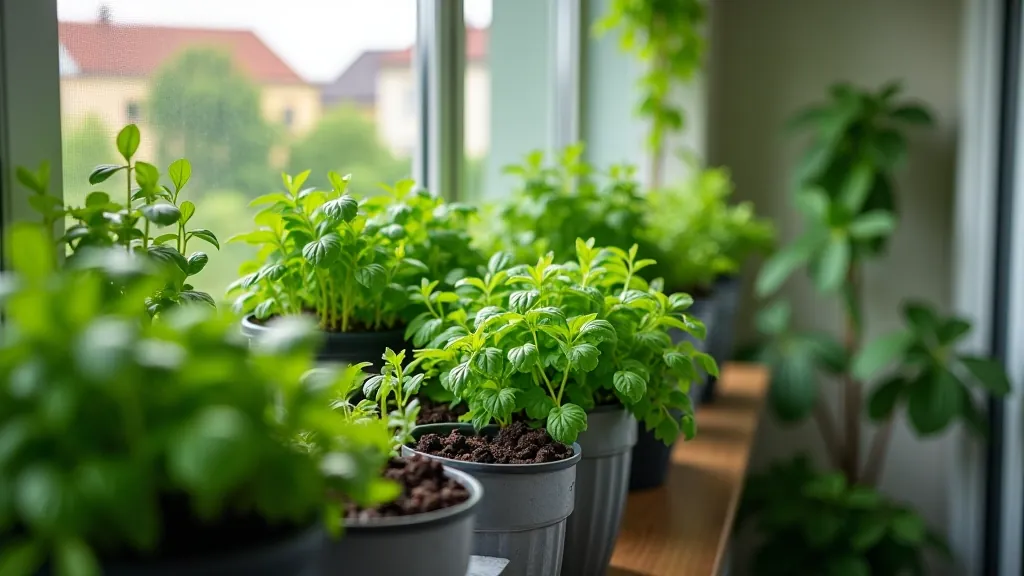
Think you need a backyard to grow your own food? You don't. We're seeing more urban gardeners successfully growing fresh herbs, tomatoes, peppers, and even leafy greens on balconies across Riga and beyond. The key isn't space — it's understanding what plants want and giving it to them in containers.
Balcony gardening works because you've got control. You decide the soil quality, water schedule, and sun exposure. Unlike ground gardens where you're fighting existing conditions, container gardens let you create the perfect environment for whatever you're growing. Plus, you're literally steps away from harvesting fresh basil for dinner or checking on your tomato plants.
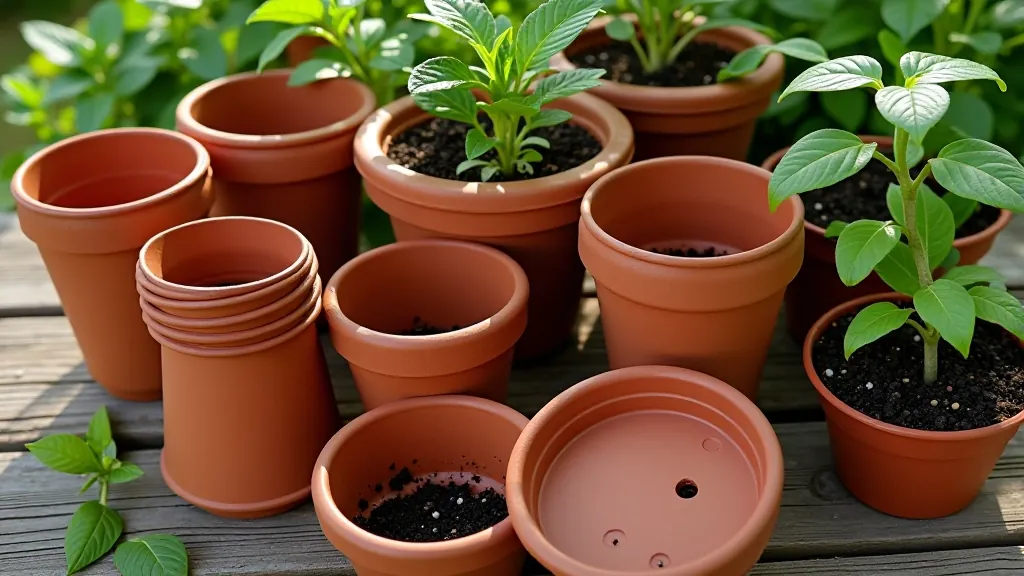
Container size matters more than you'd think. A tomato plant needs at least 20 liters of soil to develop properly — that's roughly a 40cm diameter pot. Herbs like parsley and basil? They're happy in 10-liter containers. Lettuce and spinach need just 5-8 liters.
The material affects how often you'll water. Terracotta breathes, so soil dries faster — great for herbs that don't like constant moisture, but it means watering every day in summer heat. Plastic containers retain moisture longer, reducing watering frequency. We recommend starting with plastic for beginners because you'll water less often.
Drainage is non-negotiable. Every container must have holes in the bottom. If yours don't, drill them yourself. Waterlogged roots rot, and that kills plants faster than anything else. Layer the bottom with broken pottery shards or pebbles before adding soil — this prevents holes from clogging.
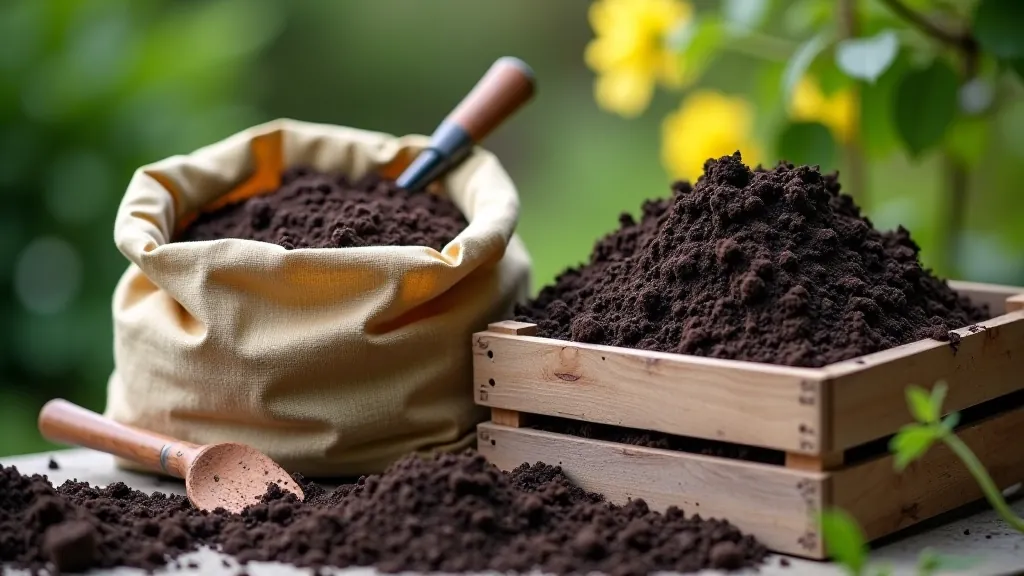
Don't use garden soil from the ground. It compacts in containers and drains poorly. Buy proper potting mix — it's lighter, drains well, and contains nutrients plants need for the first 4-6 weeks. Look for mixes labeled "baltu augsne" or "augsnes maisījums" at local garden centers. A 40-liter bag costs around 3-5 euros and fills multiple containers.
For long-season crops like tomatoes and peppers, you'll need to add nutrients as the season progresses. Plants exhaust the soil by mid-summer. We recommend mixing in compost or using a balanced fertilizer every 3-4 weeks once plants start producing. Herbs are less demanding — they'll grow fine without extra feeding if you started with decent potting mix.
Refresh your soil every year. Old soil loses structure and becomes compacted. Don't throw it away though — mix it into garden beds or use it for non-food plants. Fresh soil costs less than replacing dead plants.
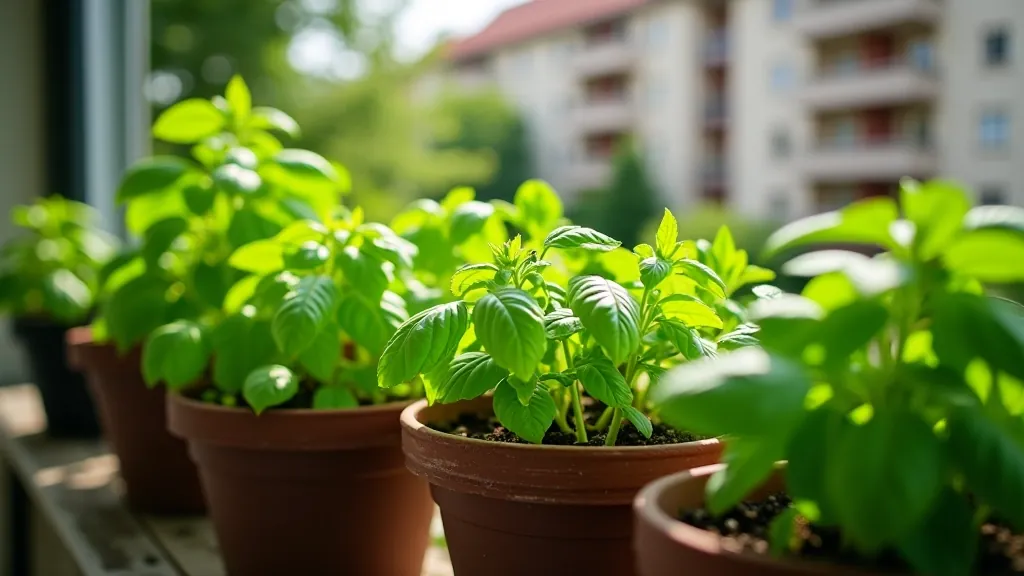
Parsley, basil, dill, and chives thrive on balconies. They need 6+ hours of sun daily but tolerate afternoon shade. Start from seeds or seedlings. You'll be harvesting in 3-4 weeks. Pinch off flowers to keep plants bushy and productive.
Tomatoes (especially cherry varieties), peppers, lettuce, and spinach all work well. Choose compact varieties labeled "determinate" or "patio." They produce less sprawl but still give solid yields. Plant tomatoes in May after frost risk passes, harvest August through October.
Marigolds, nasturtiums, and pansies add color and attract pollinators. They're forgiving and beautiful. Nasturtiums are edible too — the flowers have a peppery taste and look great in salads.
Push your finger 2cm into the soil. If it feels moist, don't water. If it's dry, water deeply until it drains from the bottom. Most plant deaths come from overwatering, not underwatering.
Water soil, not leaves. Wet foliage promotes fungal diseases. Early morning is ideal — water absorbs before the sun heats up and evaporates it.
In summer heat, you might water daily. In spring and fall, every 2-3 days. Winter? Barely at all. Observe your plants — they'll tell you when they're thirsty (leaves droop slightly).
This guide provides general information about balcony gardening in Latvia's climate. Specific growing results vary based on your exact location, balcony exposure, and local weather conditions. For personalized advice, consult experienced local gardeners or your regional agricultural extension office. Always follow container safety guidelines and ensure your balcony can support the weight of filled containers and soil.
Most vegetables need 6-8 hours of direct sun. East or south-facing balconies are ideal. If you've got limited sun, stick to leafy greens and herbs — they tolerate 4-5 hours.
Balconies can be windy. This dries soil faster and stresses plants. Position containers where they're sheltered or use taller containers that provide shade to each other.
Good news: balconies have fewer pests than ground gardens. The height deters many insects. You might see aphids occasionally — spray with soapy water. That's it.
Don't fill your balcony on day one. Start with 3-4 containers. Get the watering routine down. Then expand next season when you've built confidence.
Plant new lettuce seeds every 2-3 weeks instead of all at once. You'll harvest continuously rather than getting a glut then nothing for months.
Latvia's frost comes early. Plant frost-sensitive crops (tomatoes, peppers) only after May 15th. Harvest before September 15th. Cold-hardy herbs stay productive through November.

You don't need acres or a perfect south-facing yard. A balcony, some containers, and the right information are enough to grow fresh food and beautiful plants. Start this spring. Pick three containers. Fill them with good soil. Plant herbs or lettuce. Water carefully. You'll be surprised at what you harvest by summer.
The hardest part isn't the gardening — it's starting. Everything else follows naturally. Your balcony is already waiting to become the green space you've imagined.