
Latvian Cottage Garden Traditions
Discover the time-honored practices that shaped Baltic gardens for generations. We'll explore how Latvian cottage gardeners created productive, beautiful spaces in a challenging climate.
What Makes Latvian Gardens Special
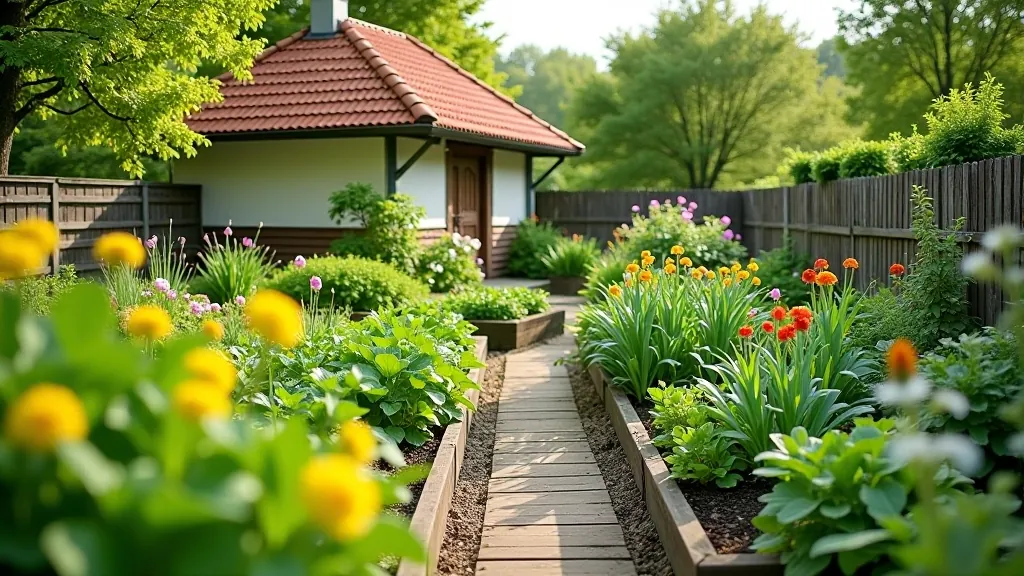
Walking through a traditional Latvian cottage garden is like stepping back in time. These aren't fancy showpieces — they're practical spaces where families grew food, medicines, and flowers for centuries. The approach combines deep knowledge of the Baltic climate with resourcefulness and respect for the land.
What's fascinating is how these gardens evolved. Latvian gardeners faced harsh winters, short growing seasons, and unpredictable weather. Instead of fighting nature, they worked with it. They developed techniques that still work brilliantly today — from companion planting to soil preparation methods that improve year after year.
Key Principles of Latvian Cottage Gardening
- Work with seasonal rhythms, not against them
- Build soil fertility through compost and crop rotation
- Grow hardy plants suited to the climate
- Mix vegetables, herbs, and flowers together
- Preserve the harvest for winter months
The Garden Layout: Function Meets Beauty
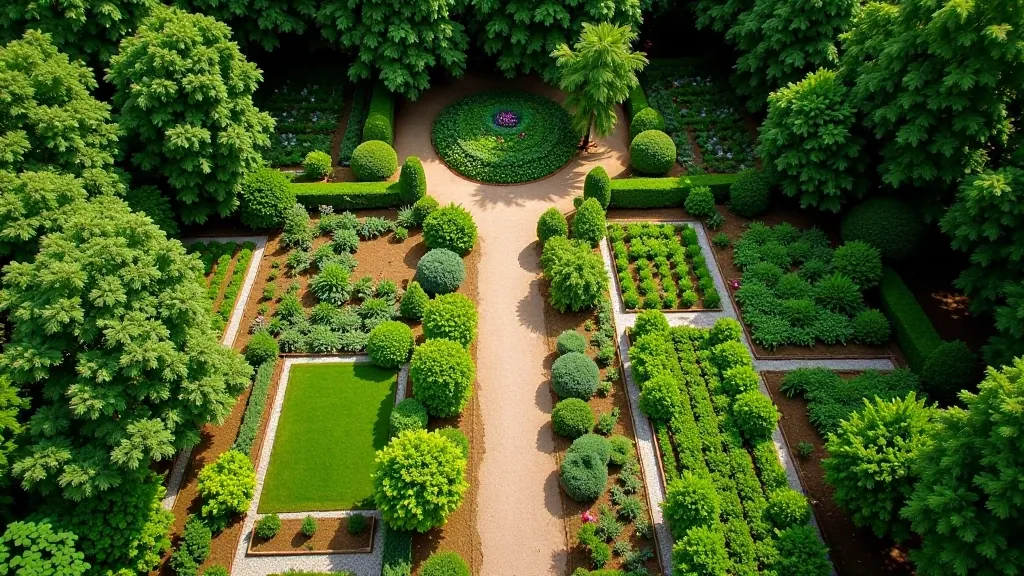
Traditional Latvian cottage gardens don't follow rigid geometric patterns. Instead, they're organized by purpose. You'll typically find the vegetable beds closest to the house — they need regular attention, especially for harvesting. Fruit trees and berry bushes form the middle layer, creating privacy and windbreaks. Flowers grow throughout, attracting pollinators and adding color.
The beauty is in the mixing. A typical cottage garden might have potatoes in one corner, peonies along the fence, apple trees providing shade, and herb beds near the kitchen door. Nothing's wasted. Every plant serves multiple purposes — food, medicine, or beauty. This intercropping approach also naturally controls pests because diverse plants support diverse insects.
Most cottage gardens occupy between 400 to 800 square meters. That's large enough for real food production — a family could preserve vegetables to last the winter — yet manageable for one or two people to maintain. The size matters. Too small and you can't grow enough variety. Too large and it becomes overwhelming.
Educational Note
This article shares traditional Latvian gardening practices for educational purposes. While these methods are well-documented and widely practiced, individual results vary based on your specific location, soil conditions, and climate patterns. We recommend adapting these techniques to your local conditions and consulting local agricultural resources for your specific region.
Soil Building: The Foundation Everything Depends On
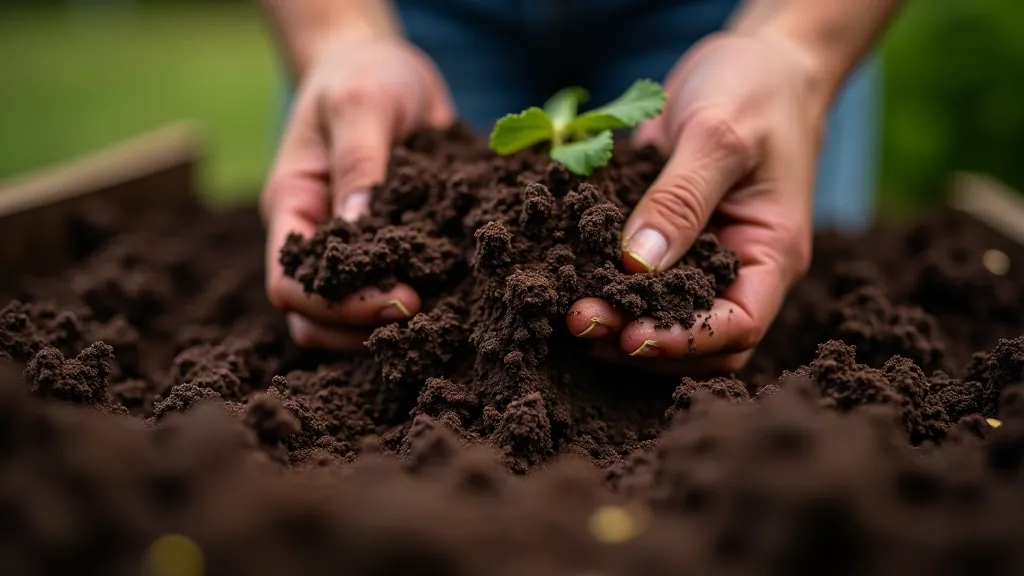
Latvian gardeners understood something crucial — you can't just extract from soil year after year. You've got to feed it. This is why every cottage garden had a composting system. Nothing went to waste. Kitchen scraps, garden debris, animal manure, straw from the barn — all of it became compost.
The traditional approach involves creating compost piles right in the garden, then spreading that finished compost across beds each spring. Over time — typically 3 to 5 years — this practice transforms poor soil into dark, crumbly, fertile earth that holds moisture and nutrients beautifully. The texture changes noticeably. Heavy clay becomes workable. Sandy soil gains water retention.
Crop rotation works alongside composting. A bed might grow vegetables one year, then legumes (peas or beans) the next year to replenish nitrogen, then something else entirely the third year. This prevents pest buildup and disease while maintaining soil health without needing chemical fertilizers.
Working With the Seasons
In Latvia, the growing season is short but intense. Summer daylight stretches to nearly 17 hours, which actually works in gardeners' favor. Plants grow faster in the continuous light. But you've got to plan carefully. Starting seeds indoors in late winter is essential — it extends the season by weeks. Early varieties of everything matter. You're not growing the same tomatoes as southern gardeners.
Spring preparation begins in March or April, depending on how the weather breaks. The soil needs to dry out enough to work without becoming compacted. Too early and you'll damage soil structure. Too late and you lose valuable growing time. By late May, after the last frost risk passes (usually mid-May in most of Latvia), tender plants can go in the ground.
Summer's the productive season. Watering becomes important if there's no rain. Most cottage gardens rely on rainwater — collected in barrels or caught naturally. Weeding, thinning, and harvesting dominate July and August. Then comes the critical part: preservation. Vegetables are canned, dried, pickled, or stored in cool cellars. This is what carries families through winter.
What Grows in a Latvian Cottage Garden
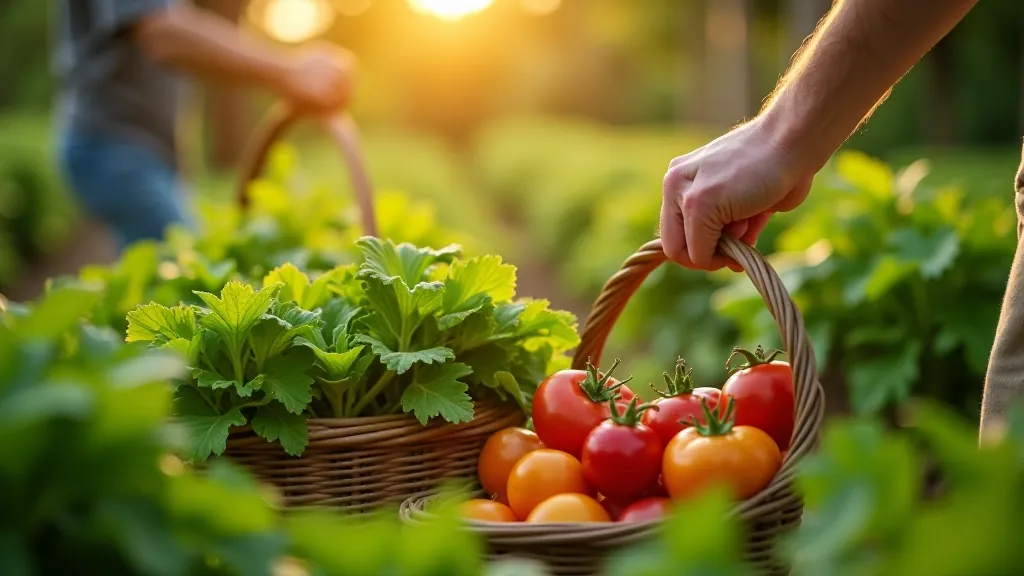
You won't find exotic plants here. Traditional cottage gardens stick to what actually thrives. The vegetable lineup includes potatoes (the staple crop), beets, carrots, onions, cabbage, and root vegetables that store well. Peas, beans, and lentils provide protein and nitrogen fixing. Herbs like dill, parsley, caraway, and angelica grow robustly. Berries — currants, gooseberries, and lingonberries — are essential.
Root Vegetables
Potatoes, beets, carrots, and turnips. These store exceptionally well in cool cellars, lasting from autumn harvest through spring. They're the backbone of winter food security.
Brassicas
Cabbage, kale, and kohlrabi thrive in cool weather. They're hardy, productive, and versatile in the kitchen. Cabbage especially — it ferments beautifully into sauerkraut.
Legumes
Peas, beans, and lentils provide nitrogen to soil naturally. They're nutritious fresh or dried, and they're essential for crop rotation planning.
Berries
Currants, gooseberries, and wild berries like lingonberries are cold-hardy and productive. They provide fresh fruit and jam-making material.
Herbs & Flowers
Dill, parsley, caraway, and peonies serve both practical and ornamental purposes. Flowers attract pollinators and add beauty to the productive space.
Fruit Trees
Apple and plum varieties suited to cold climates provide years of harvests. They create shelter, define space, and offer shade for shade-tolerant plants below.
Preserving the Harvest
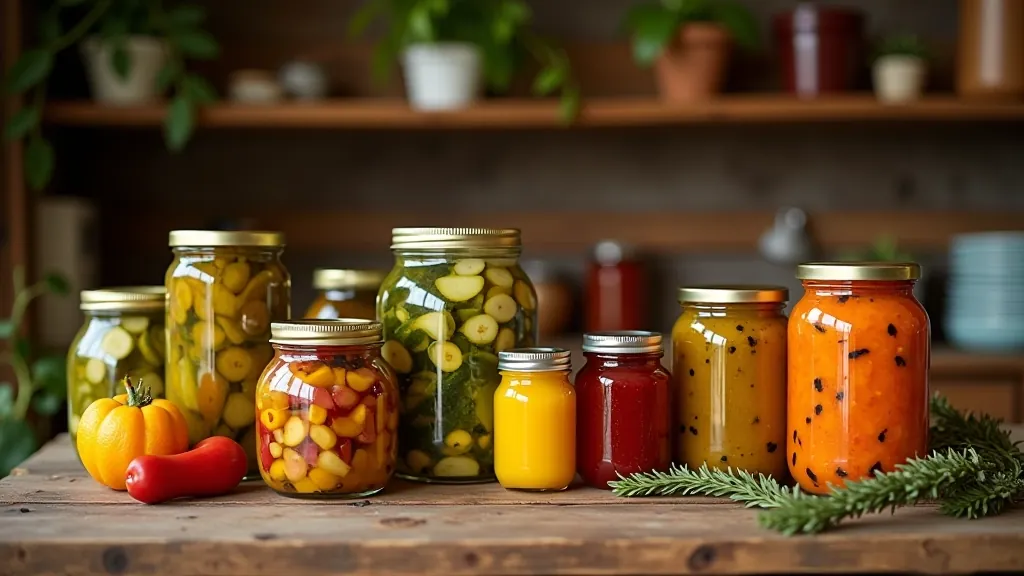
The garden's only half the story. What matters is what you do with the harvest. Traditional Latvian methods include fermentation, pickling, drying, and cool storage. Sauerkraut ferments in large crocks — the cool cellar provides perfect conditions. Root vegetables pile into sand-filled boxes in the cellar, lasting until spring. Herbs dry hanging from kitchen rafters.
This preservation approach isn't just practical — it's delicious. Fermented vegetables develop complex flavors. Dried herbs concentrate their taste. A cottage kitchen in winter smells incredible. Jars of pickles, bottles of preserved berries, and bundles of dried dill create a pantry that sustains the family through months without fresh gardening.
Bringing These Traditions to Your Garden
You don't need to garden exactly like a 19th-century Latvian farmer. But you can adopt the principles that made these gardens work. Start with soil improvement — build compost, mulch beds, and plan crop rotation. Choose varieties suited to your climate, not what looks pretty in a seed catalog. Mix vegetables, herbs, and flowers for beauty and function. Plan for preservation — whether that's freezing, fermenting, or drying.
The real wisdom here is respecting the growing season you have. Don't fight your climate. Work with it. Plant things that thrive in your conditions. Use the techniques that have proven themselves over generations. The result isn't just better yields — it's a garden that feels sustainable, beautiful, and genuinely productive.
"A cottage garden teaches patience and observation. You learn what actually works in your specific place, season after season. That knowledge is invaluable."