
luxitrade Logo luxitrade Contact Us
Contact Us

Cold-Hardy Plants That Survive Winter

Master the art of selecting plants that thrive in Baltic winters. We'll show you which species actually survive frost, how to prepare them, and where to plant them for maximum resilience.

10 min read Beginner April 2026
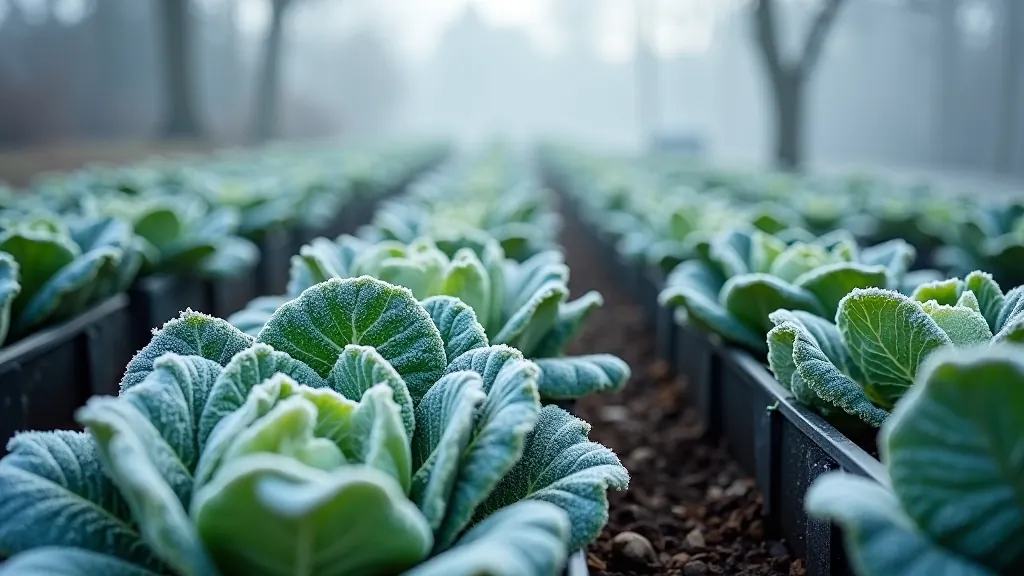
Various cold-hardy plants growing in a frost-covered garden during winter conditions in Baltic climate

Why Winter Plant Selection Matters

If you're gardening in Latvia or anywhere in the Baltic region, you're working with some serious winter conditions. Temperatures drop to -15°C or lower, snow stays on the ground for months, and spring feels like it takes forever to arrive. That's why choosing the right plants isn't optional—it's fundamental.

Most tropical or tender plants simply won't make it through a single winter here. But here's the good news: there are plenty of genuinely hardy species that don't just survive—they actually thrive when properly selected and cared for. We've tested these plants in real Baltic gardens, and they deliver results.

Key Takeaway

Cold-hardy doesn't mean ugly or boring. Many of the toughest plants offer beautiful foliage, winter color, or early spring flowers. You don't have to sacrifice aesthetics for survival.

Evergreen Shrubs That Hold Strong

Evergreens are your backbone for winter interest. They're not going dormant—they're out there looking good even when everything else is bare and brown. The trick is choosing species rated for Zone 4 or colder, which means they'll handle -30°C temperatures without complaint.

Recommended Species

  • Picea abies (Norway Spruce) — Dense growth, dark green year-round. Grows 15-20 meters tall but dwarf varieties available.
  • Ilex aquifolium (Holly) — Bright red berries persist through winter. Needs both male and female plants for berries.
  • Juniperus communis (Common Juniper) — Compact, sculptural form. Thrives in poor soil where other plants struggle.
  • Taxus baccata (Yew) — Incredibly dense foliage, tolerates heavy shade. Responds well to pruning.

Plant these in autumn or early spring, ideally in well-draining soil. They're not fussy about fertility, but drainage matters—wet roots in winter kill evergreens faster than cold does. Space them with mature size in mind. Don't crowd them just because they look small now.

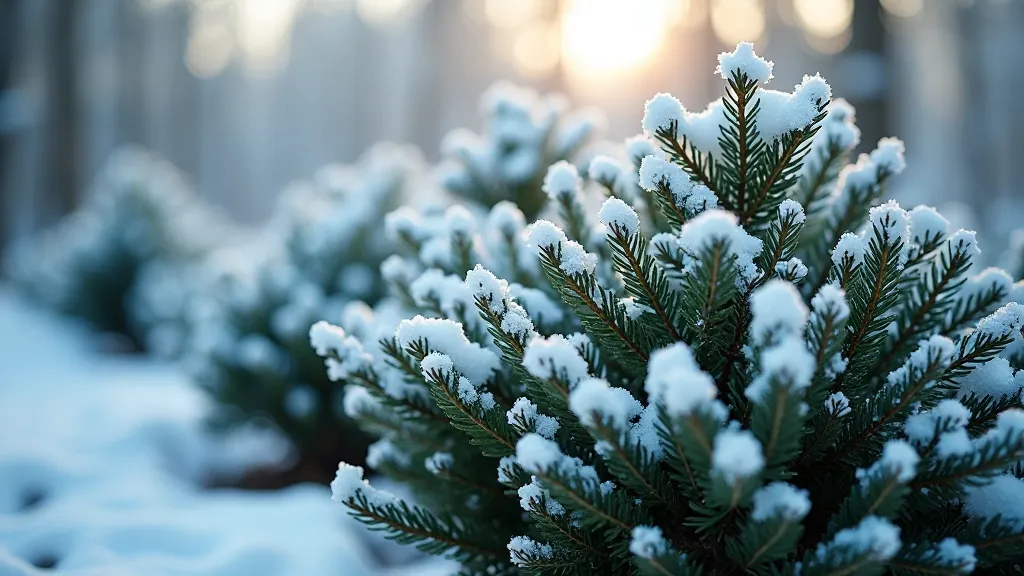
Dense evergreen shrubs covered with frost and snow, showing their winter hardiness and year-round green foliage in a Baltic garden

Important Information

This article provides educational information about cold-hardy plants suitable for Baltic climate gardening. Hardiness ratings and growing conditions vary based on specific location, soil type, and microclimate. Plant selection should be adapted to your particular garden conditions. When in doubt, consult with local horticultural experts or your regional gardening association for recommendations tailored to your specific area.

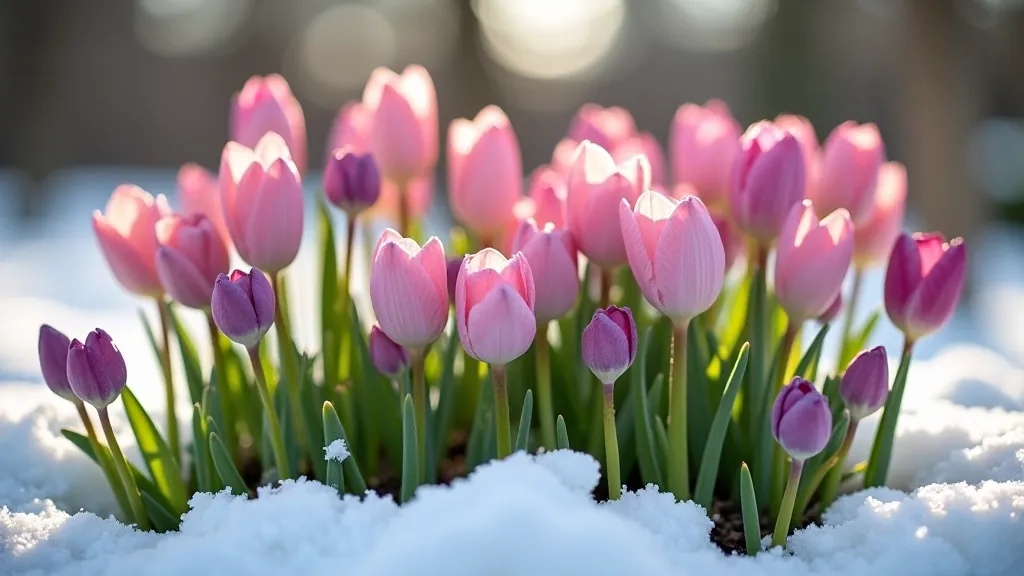
Flowering perennials blooming in early spring, showing purple and pink flowers with fresh green shoots emerging from the frozen ground

Hardy Perennials for Spring Blooms

Perennials come back year after year, which means you're not replanting every spring. You're building. They're economical, they get stronger over time, and many bloom before anything else wakes up in spring. That's genuine value.

The cold actually helps some perennials—they need winter dormancy to flower properly. Plant them in autumn so they establish roots before freeze-up. They'll sleep through winter, then emerge refreshed when soil thaws.

Spring-Flowering Perennials

  • Helleborus niger (Christmas Rose) — Flowers from December through February. Evergreen foliage. Grows 30-40cm tall.
  • Pulsatilla vulgaris (Pasque Flower) — Purple flowers in April. Silvery seed heads follow. Prefers sunny spots.
  • Aquilegia (Columbine) — Delicate nodding flowers in various colors. Self-seeds readily. Attracts hummingbirds.
  • Primula veris (Cowslip) — Traditional yellow flowers, beloved in cottage gardens. Thrives in damp soil.

Trees That Handle Harsh Winters

Trees create structure in a garden. They're the long-term investment. A tree planted today might outlive you, so choose carefully. In the Baltic climate, you're looking at species naturally adapted to northern forests.

Don't plant tender ornamentals like magnolias or cherries unless you're okay with losing flower buds to late frost. Stick with native species or proven cultivars. They're hardened by millennia of evolution to handle what your region throws at them.

Reliable Tree Choices

  • Betula pendula (Silver Birch) — Native to Latvia. Light bark, delicate foliage, yellow autumn color. Grows 15-20 meters.
  • Sorbus aucuparia (Rowan) — White flowers in spring, orange berries that feed birds through winter. Naturally hardy.
  • Alnus (Alder) — Thrives in wet ground. Native species perfectly suited to Baltic conditions.
  • Pinus sylvestris (Scots Pine) — Iconic native conifer. Grows well in poor, sandy soil. Matures to 30+ meters.

Trees need room to develop properly. Plant them at least 5-6 meters from buildings. Water regularly during their first two growing seasons, then they're essentially self-sufficient. Don't coddle them—hardy trees toughen up when they have to struggle a bit.

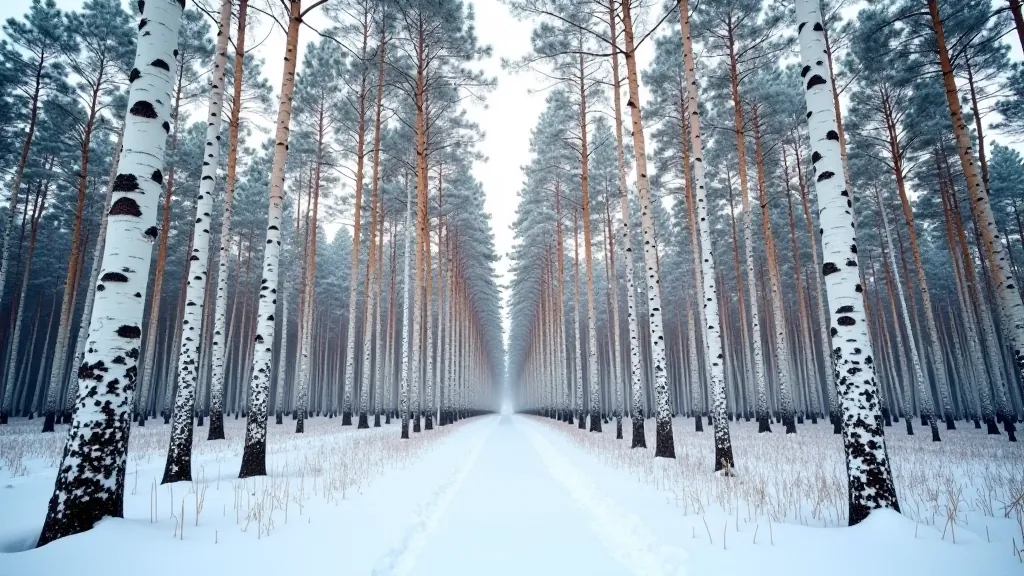
Mature birch and pine trees standing in a snowy forest landscape, demonstrating winter hardiness and natural Baltic forest composition
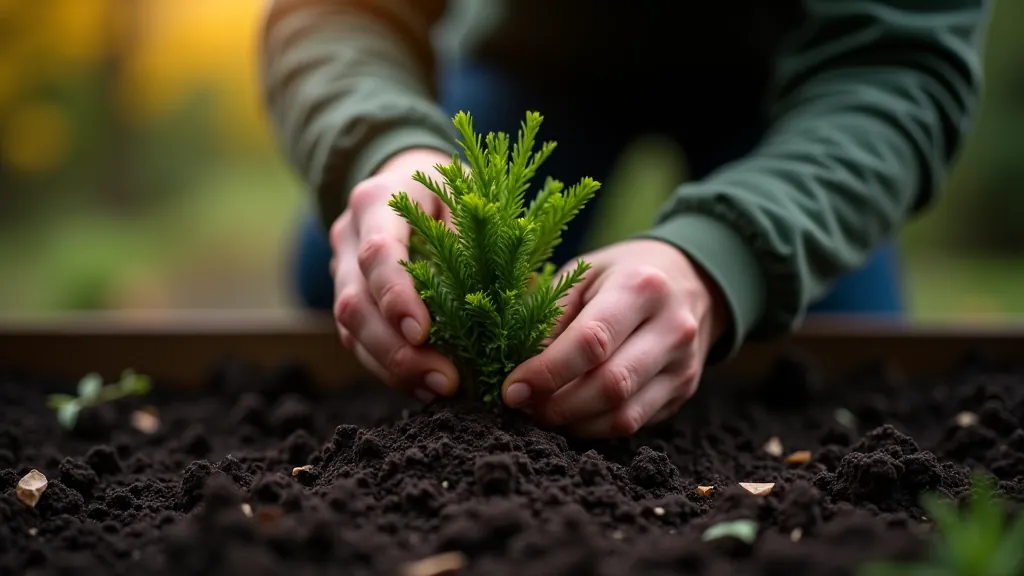
Hands planting a small shrub into dark soil with mulch applied around the base in autumn garden conditions

Preparation and Planting Techniques

Selecting hardy plants is step one. How you plant them is step two. Poor planting kills more plants than cold does. You're basically giving your plants either a head start or a handicap.

Autumn Planting Strategy

Plant in September through October. This timing lets roots establish before ground freezes. Roots actually continue growing in cool soil—they don't wait for spring like the above-ground parts do. Spring-planted trees often struggle because they're trying to grow leaves while roots are still establishing.

Soil Preparation

  • Dig a hole roughly twice the width of the root ball, not deeper.
  • Break up compacted soil at the bottom. Hardpan drainage is critical.
  • Mix existing soil with compost (25-30% amendment). You're improving structure, not creating a planting medium.
  • Backfill, water thoroughly to settle soil, then add mulch layer (5-8cm). This insulates roots.

Winter mulch protects roots from temperature fluctuations. Snow is excellent mulch—let it accumulate. If you live in an area with heavy wind, add extra mulch in November to protect against freeze-thaw cycles.

Winter Care and Protection

Cold-hardy doesn't mean no-care. Even tough plants appreciate protection from the worst conditions. Wind desiccation—where cold winds dry out foliage—is actually more dangerous than temperature for many evergreens.

What Actually Helps

  • Shelter from wind — Plant evergreens on the leeward side of existing structures. Wind damage is real.
  • Proper watering in autumn — Water deeply in October and November. Dry roots freeze faster and are more vulnerable.
  • Avoid late-season fertilizing — Nitrogen in November encourages soft growth that frosts kill. Stop feeding by August.
  • Snow weight management — Gently brush heavy snow off branches before it breaks them. But let normal snow stay—it's insulation.

Don't wrap plants in burlap unless you're protecting against salt spray (coastal areas) or snow/ice damage (certain shapes like columnar conifers). Wrapping traps moisture and creates a microclimate that encourages fungal issues.

Spring damage is often overlooked. Late frosts in April kill emerging growth on deciduous plants. You can't prevent it, but you can plant tender-budding varieties in frost pockets where cold lingers longer. Cold air sinks, so low spots actually protect emerging growth.

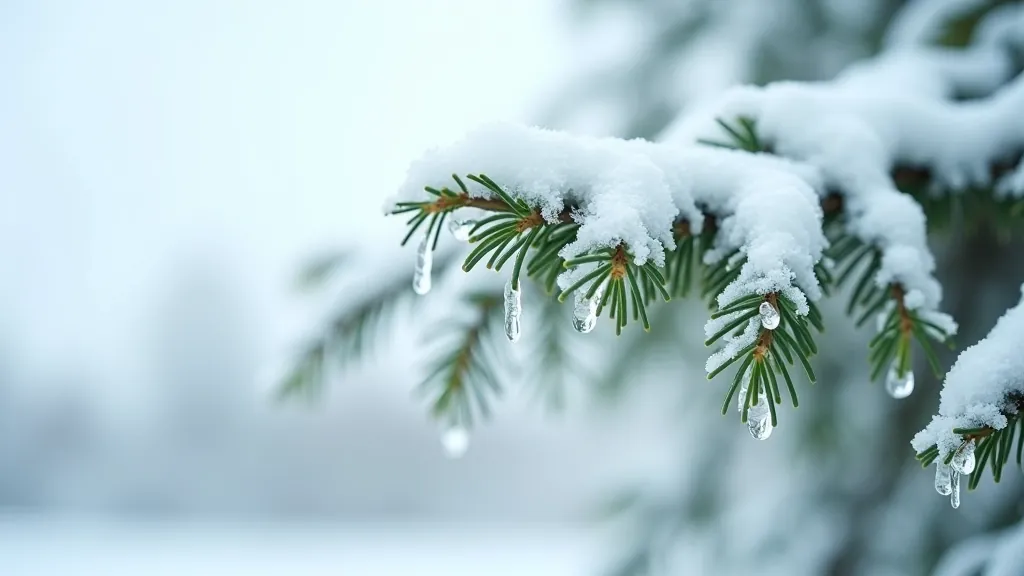
Coniferous tree branches laden with heavy snow and icicles, showing the weight of winter conditions and resilience of evergreens
Andris Berzins, senior gardening expert

Andris Berzins

Senior Gardening Expert & Content Lead

Latvian horticultural expert with 16 years of experience in cold-climate gardening, raised bed design, and Baltic cottage garden traditions. Andris shares practical techniques developed through real-world testing in Baltic gardens.